ROME IN 3 DAYS
Rome in 3 Days: The Best Itinerary for a First Visit
This Rome itinerary takes you through the city’s most important areas in three days: Ancient Rome with the Colosseum and Roman Forum, the Vatican and Castel Sant’Angelo, plus the historic center, Trevi Fountain, Pantheon and Trastevere. The route connects nearby sights into practical daily areas, so you can plan walking routes, tickets, breaks and evenings in Rome more easily.
OVERVIEW
Rome in 3 Days at a Glance
This Rome itinerary for 3 days is designed for a first visit and follows a clear route through the city: Ancient Rome and the historic center on day 1, the Vatican and Castel Sant’Angelo on day 2, and Trastevere with the Aventine Hill on day 3. Each day focuses on connected areas of Rome, with practical walking routes, ticket planning and enough space for breaks and evenings in the city.

Best for
First-time visitors
Best time to visit
April–June, Sept.–Oct.
Daily pace
Moderate
Getting around
Walking, metro, bus
Starting point
Colosseum
Difficulty
Easy to moderate
ROUTE OPTIONS
Which 3-Day Rome Itinerary Fits Your Trip?
This Rome itinerary is designed for a first visit. Depending on your arrival time, museum plans and hotel location, you can adjust a few parts of the route: the historic center on arrival day, the Vatican with an early start or Trastevere as the evening part of the trip.
RECOMMENDED
For a First Visit to Rome
Start with the Colosseum, Roman Forum and Palatine Hill, plan the Vatican as a separate day and use the third day for Trevi Fountain, the Spanish Steps and Trastevere. This order connects Rome’s main areas into practical daily sections.
LATE ARRIVAL
If You Arrive Around Midday
With a later arrival, the historic center works well for your first evening: Pantheon, Piazza Navona and Trevi Fountain are close to each other. Plan the Colosseum, Roman Forum and Palatine Hill for your first full travel day.
MORE CULTURE
With More Time for the Vatican & Museums
If you want to spend more time in the Vatican Museums, plan St. Peter’s Basilica, the museums and Castel Sant’Angelo as one full day with an early start. Trastevere then works well on day 3, when you combine Trevi Fountain, the Spanish Steps and dinner in the neighborhood.
DAY 1
Ancient Rome and the Historic Center
The first day starts at the Colosseum, continues through the Roman Forum and Palatine Hill, and connects the afternoon with Piazza Venezia, the Pantheon and Piazza Navona. This brings Ancient Rome and the historic center into a practical order, with short transitions between the Colosseum, Roman Forum, Piazza Venezia and Pantheon.
1
Morning
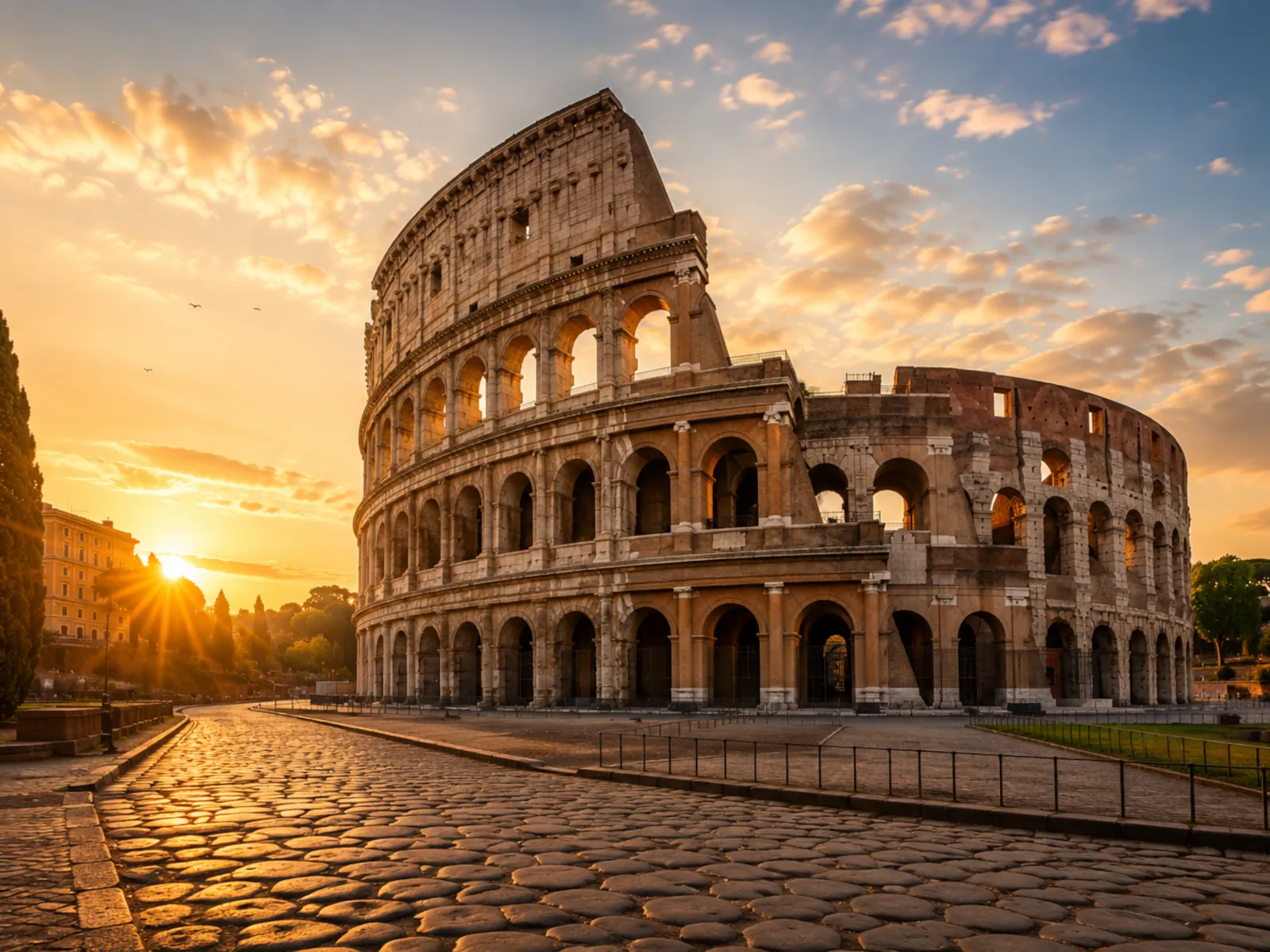
Colosseum
Start early at the Colosseum. Book your ticket in advance and plan the Roman Forum and Palatine Hill directly afterwards, as the three areas are located next to each other.
2
Late Morning
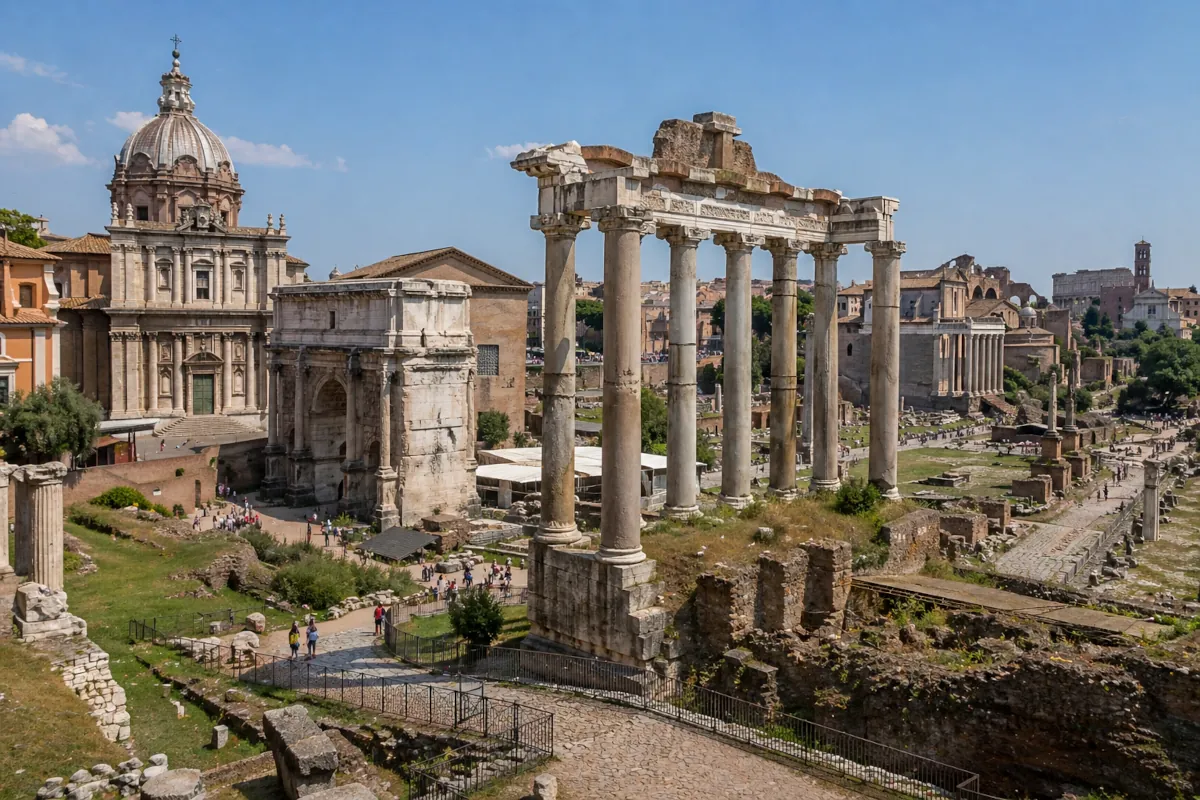
Roman Forum
From the Colosseum, continue directly into the Roman Forum. Leave time for the Via Sacra, the triumphal arches and the views towards Palatine Hill.
3
Midday
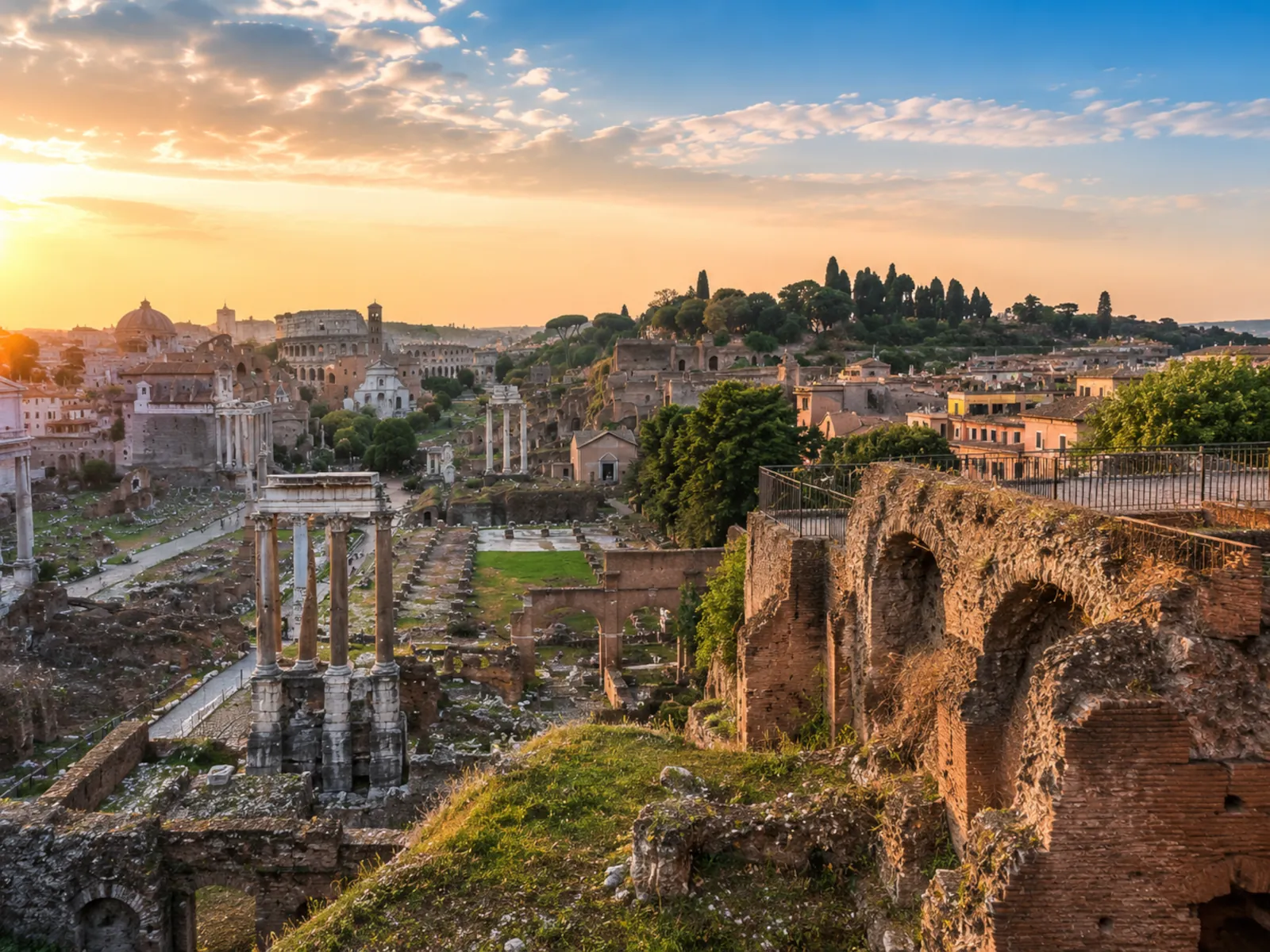
Palatine Hill
Palatine Hill works well right after the Forum. From above, you get a good overview of Ancient Rome and the layout of the archaeological area.
4

Afternoon
Piazza Venezia
Piazza Venezia connects Ancient Rome with the historic center. From the Vittoriano, you can continue towards the Pantheon, Via del Corso and Piazza Navona in a short walk.
5
Late Afternoon
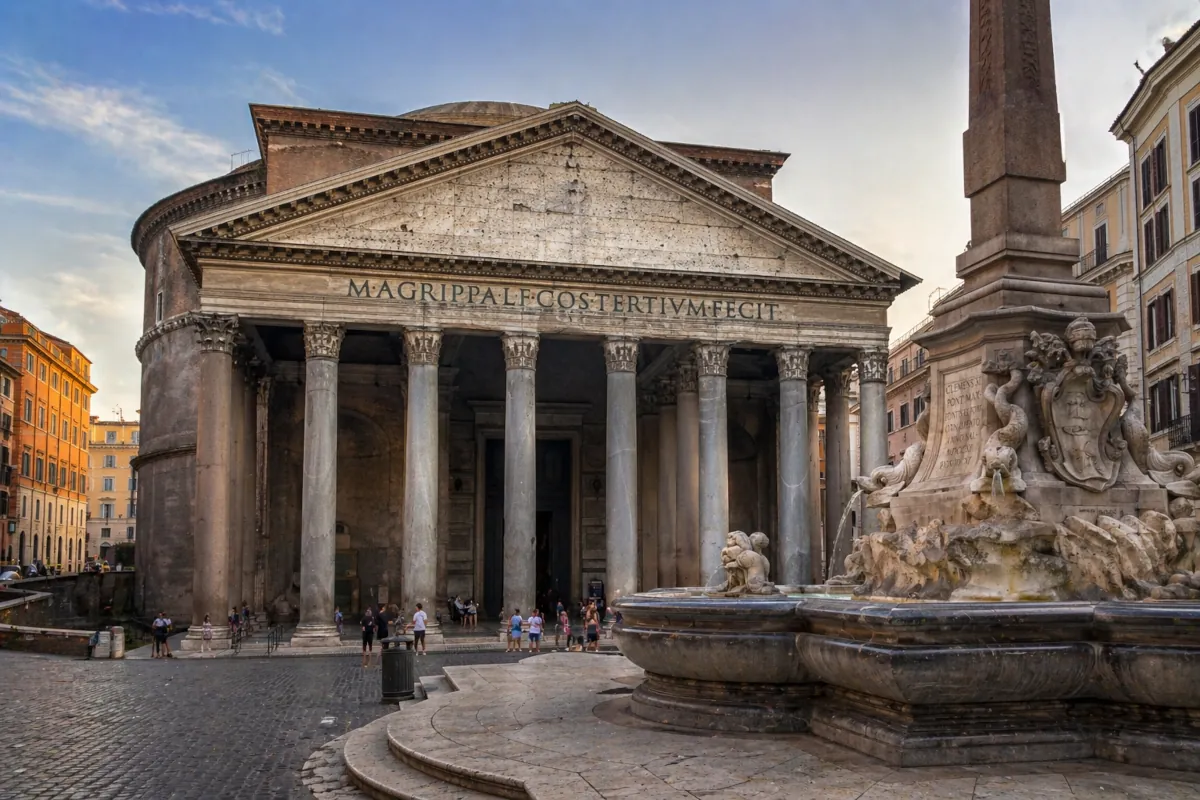
Pantheon
The Pantheon fits well into the afternoon. From here, you can explore the streets around Piazza della Rotonda and continue to Piazza Navona within a few minutes.
6
Early Evening
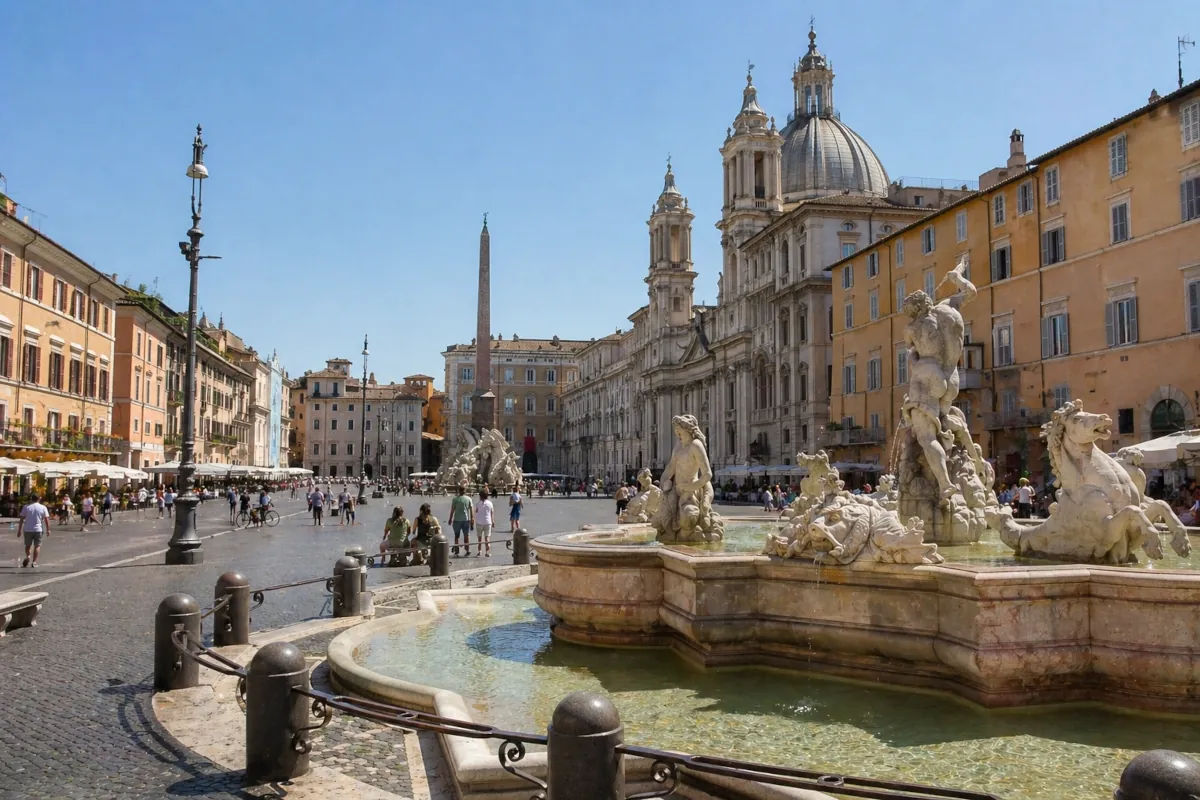
Piazza Navona
Piazza Navona is a strong final stop for day 1: you stay in the heart of the historic center, with fountains, restaurants and routes back towards the Pantheon or Campo de’ Fiori nearby.
DAY 2
Vatican, Castel Sant’Angelo and the Spanish Steps
The second day makes the Vatican the main focus and then leads you towards Castel Sant’Angelo, Ponte Sant’Angelo, Piazza del Popolo and the Spanish Steps. This keeps the route spatially connected and brings together St. Peter’s Square, the Tiber riverfront and the evening area around Piazza di Spagna.
1
Morning
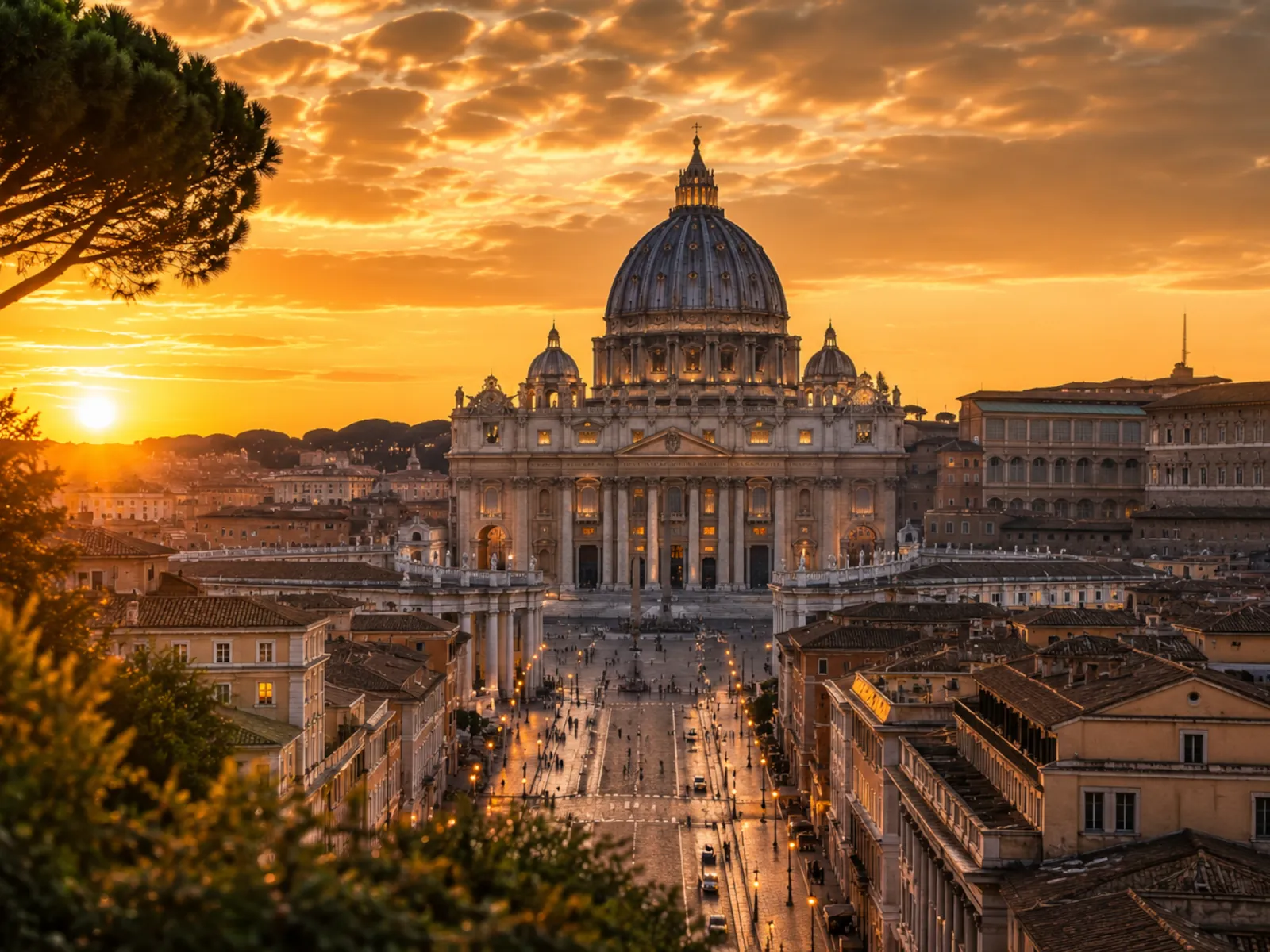
St. Peter’s Basilica
Start early at St. Peter’s Basilica. With a morning visit, you can plan St. Peter’s Square, the interior and the dome before continuing with the other Vatican stops.
2
Late Morning
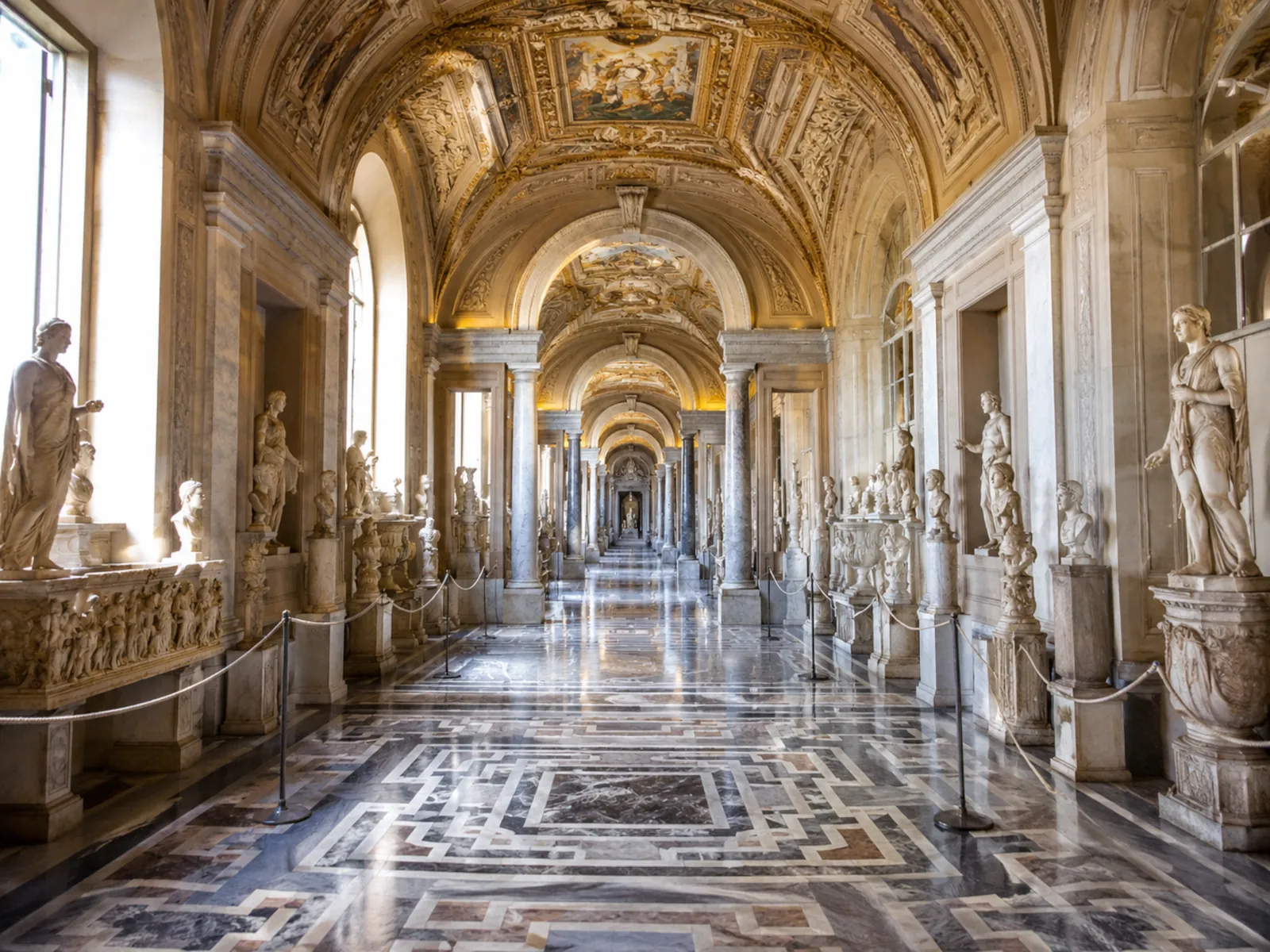
Vatican Museums
Plan the Vatican Museums with a ticket booked in advance. For the galleries, Raphael Rooms and Sistine Chapel, leave enough time between St. Peter’s Basilica and Castel Sant’Angelo.
3
Midday
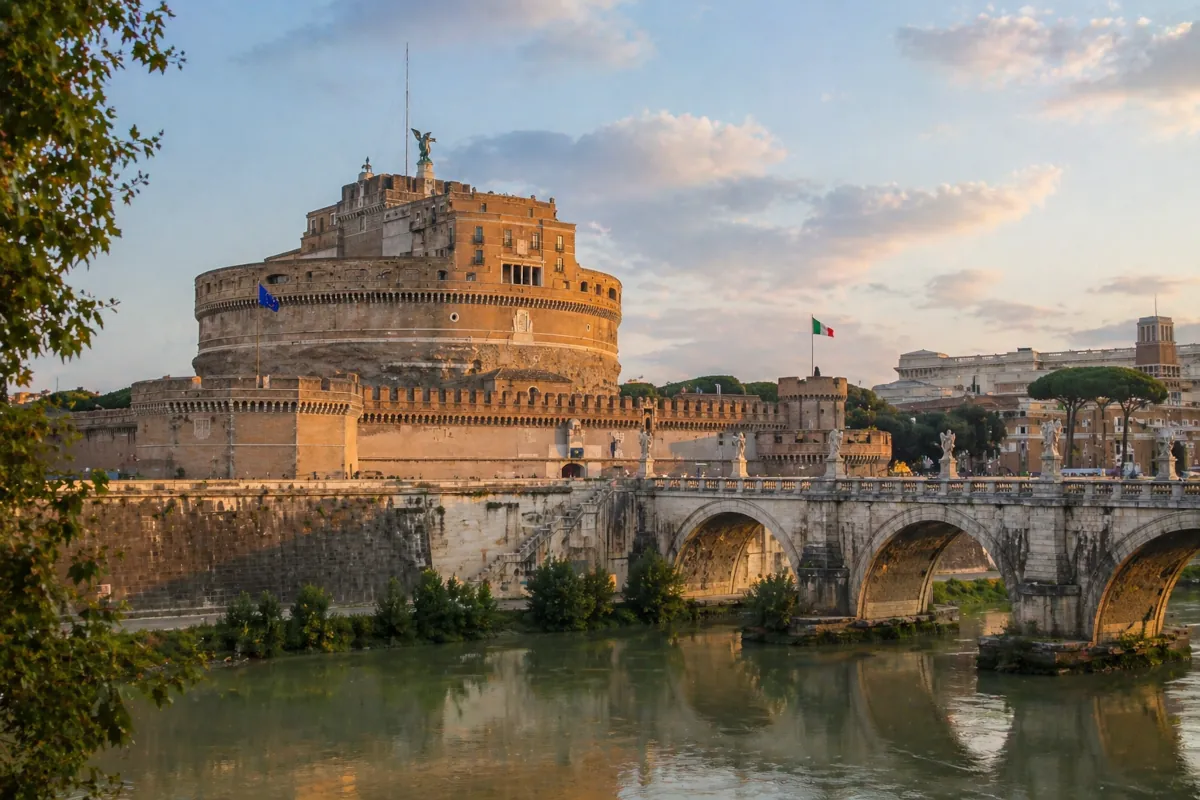
Castel Sant’Angelo
Castel Sant’Angelo fits well after the Vatican. From the terrace, you get a strong view of St. Peter’s Basilica, the Tiber and Rome’s rooftops.
4
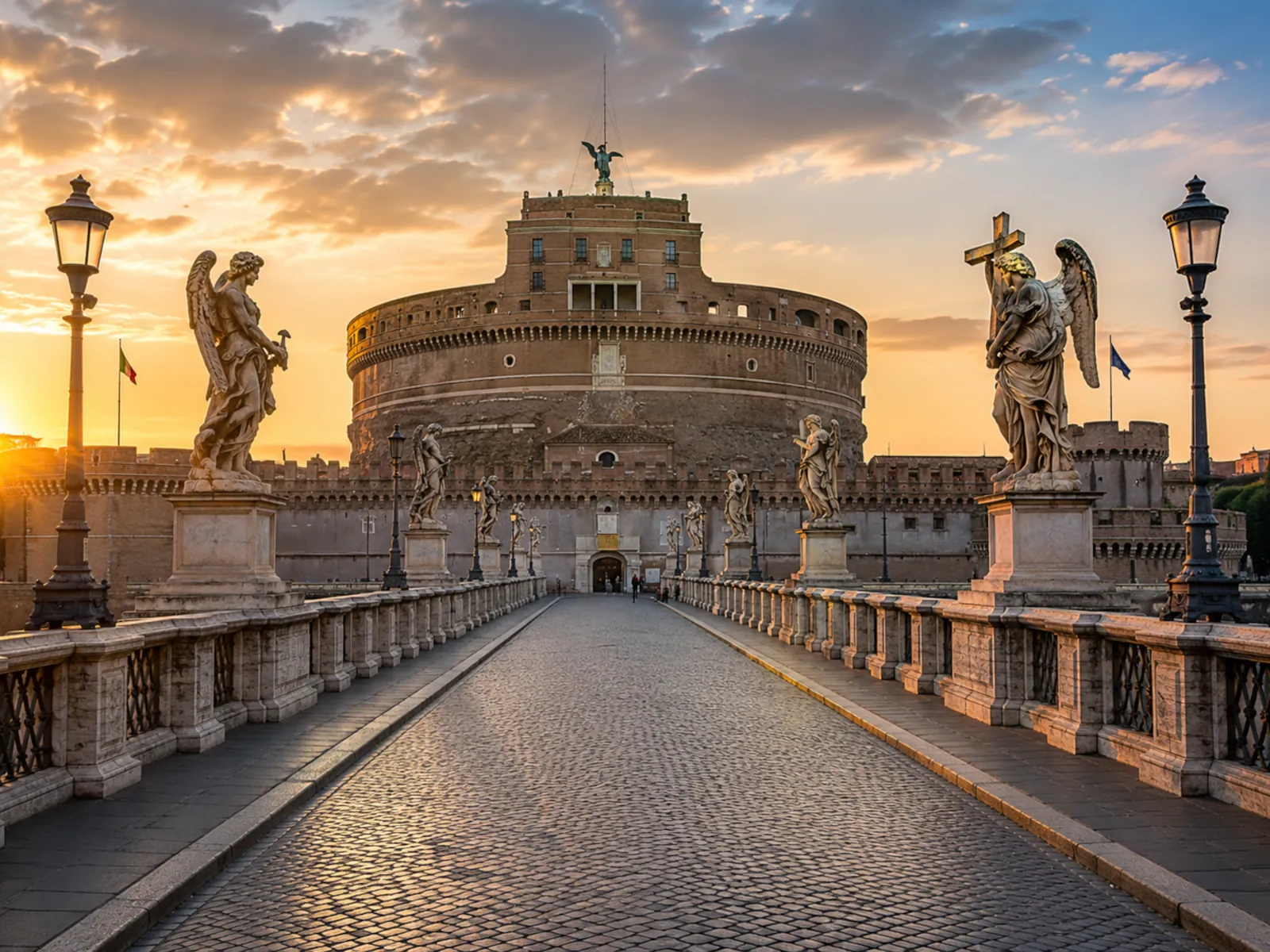
Afternoon
Ponte Sant’Angelo
Cross Ponte Sant’Angelo from the Vatican area towards the historic center. The bridge is especially good for photos with Castel Sant’Angelo, the Tiber and the view back towards St. Peter’s Basilica.
5
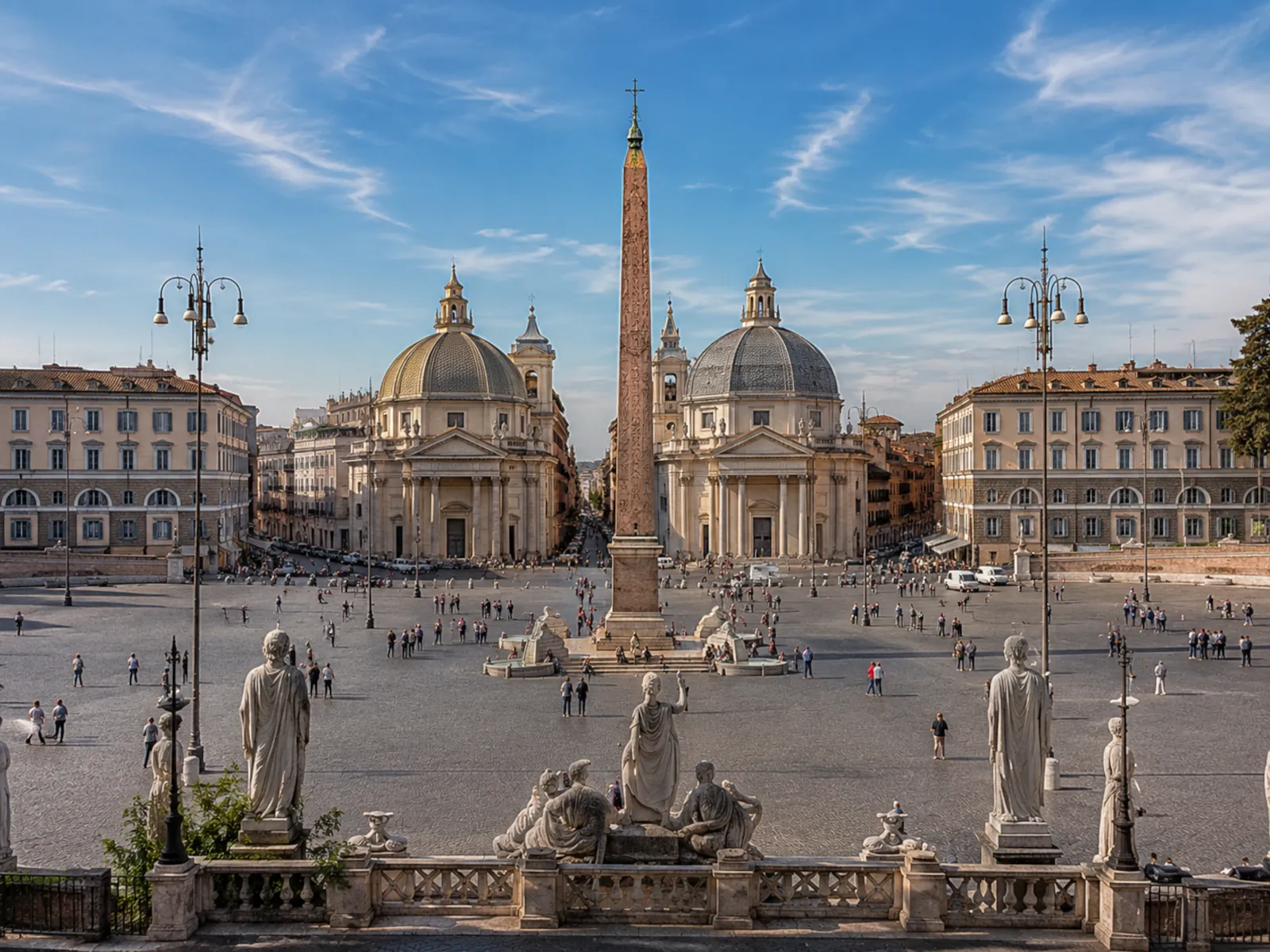
Late Afternoon
Piazza del Popolo
Piazza del Popolo works well as the transition towards the Spanish Steps. From here, you can continue along Via del Babuino or add a short viewpoint stop at the Pincio.
6
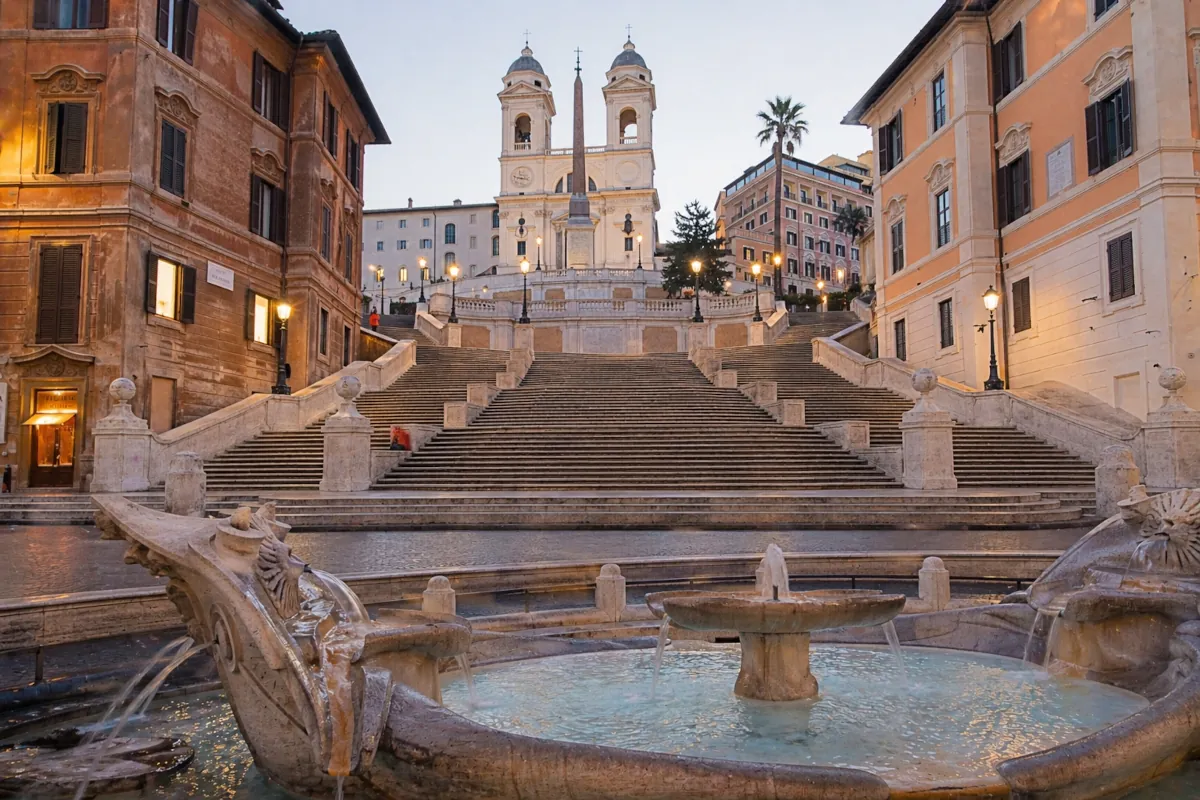
Early Evening
Spanish Steps
In the early evening, the route ends at the Spanish Steps. From Piazza di Spagna, you can reach Spagna metro station, Via dei Condotti and restaurants in the historic center without a long return route.
DAY 3
Campo de’ Fiori, Trastevere and Views from the Aventine Hill
The third day starts at Campo de’ Fiori, crosses the Tiber into Trastevere and ends with views from the Aventine Hill. The route connects the market, Ponte Sisto, Santa Maria in Trastevere and the Orange Garden into a relaxed final day with short walking routes.
1
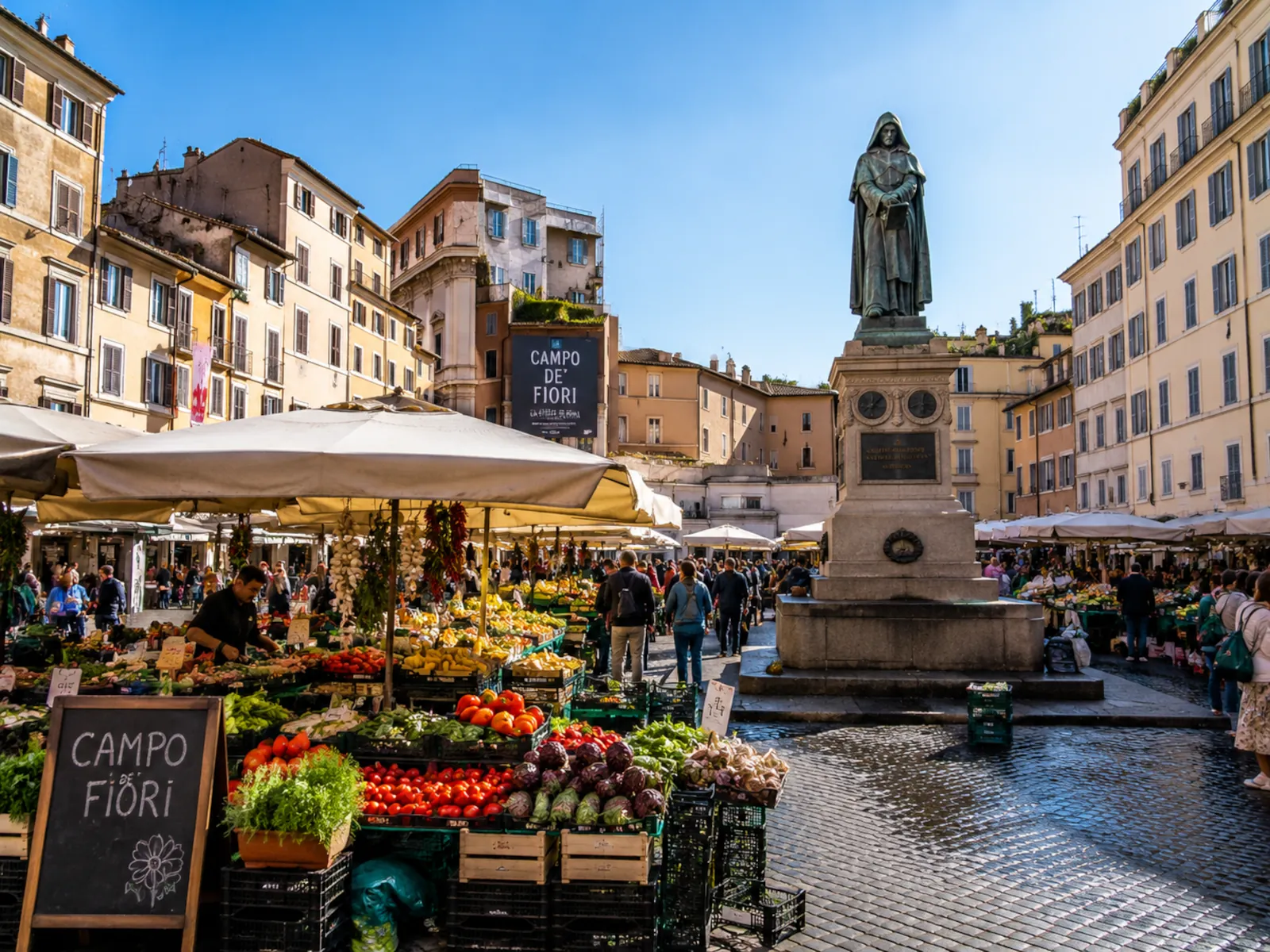
Morning
Campo de’ Fiori
Start in the morning at Campo de’ Fiori. From the market, you can walk to Ponte Sisto within a few minutes and continue across the Tiber into Trastevere.
2
Late Morning
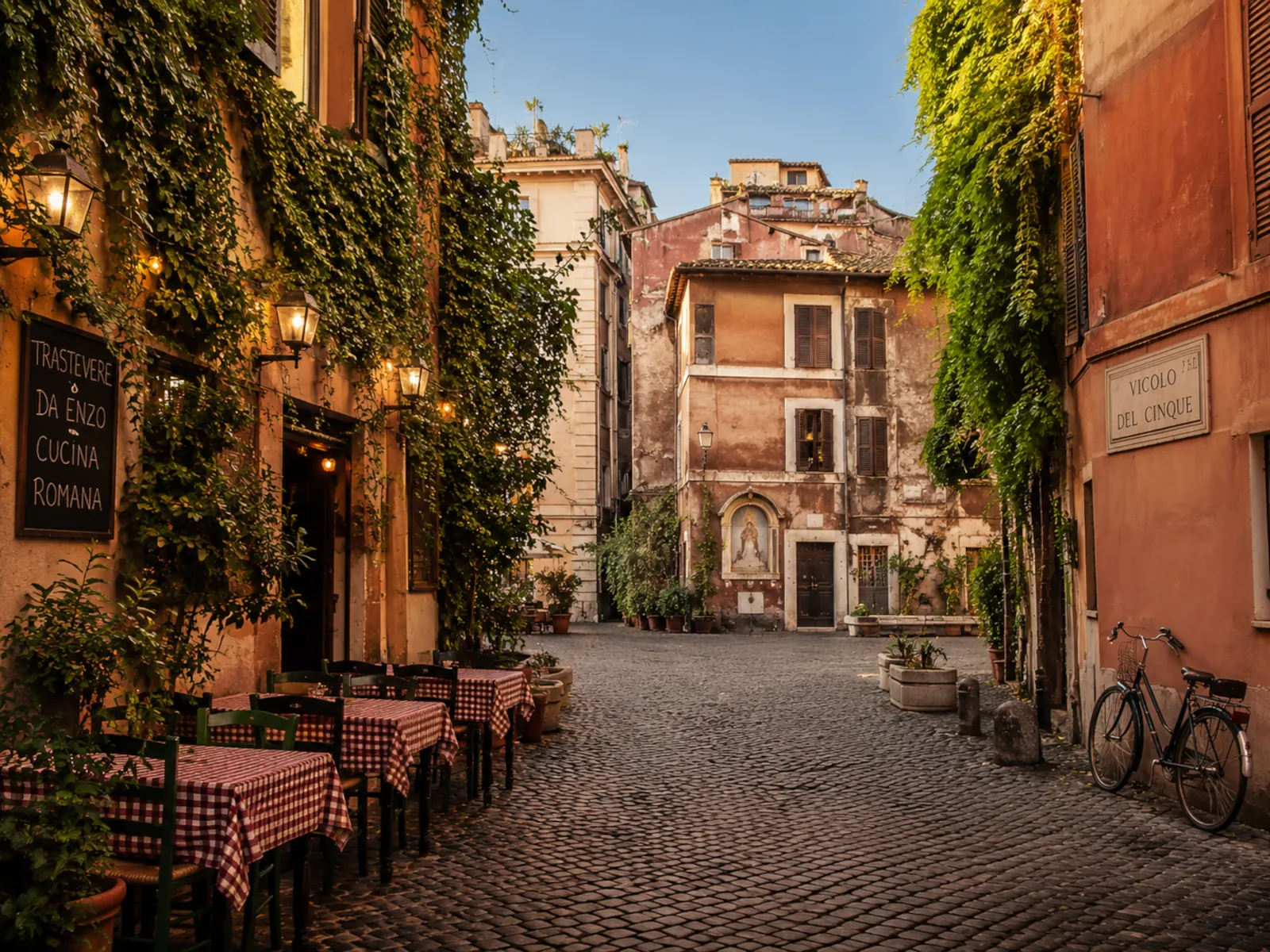
Trastevere
Cross Ponte Sisto and you reach Trastevere directly on foot. Plan time for the streets around Piazza Trilussa and Santa Maria in Trastevere.
3
Midday
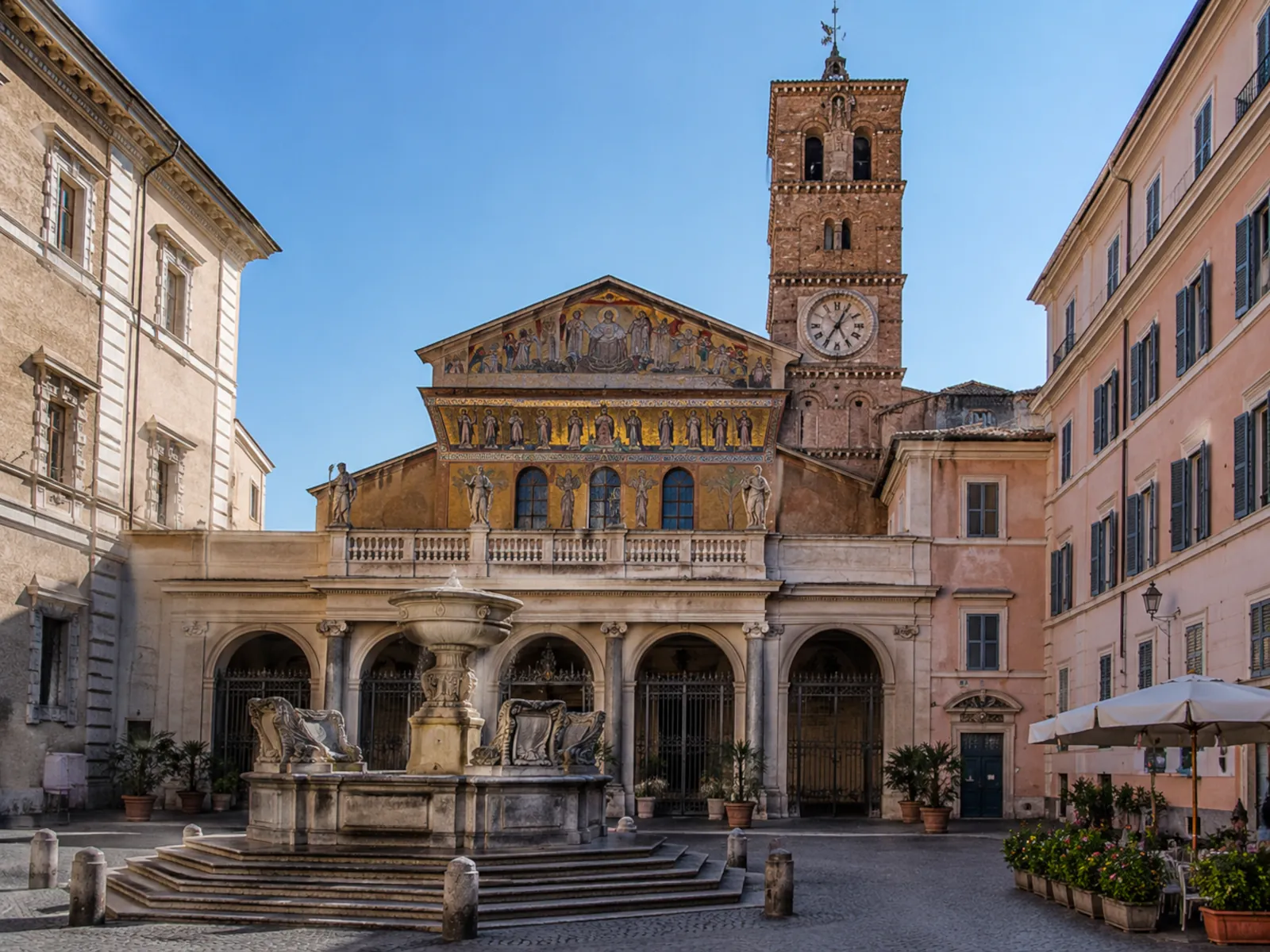
Santa Maria in Trastevere
Santa Maria in Trastevere sits at the center of the neighborhood. The church works well as a calm stop between the market, the surrounding streets and lunch.
4
Afternoon
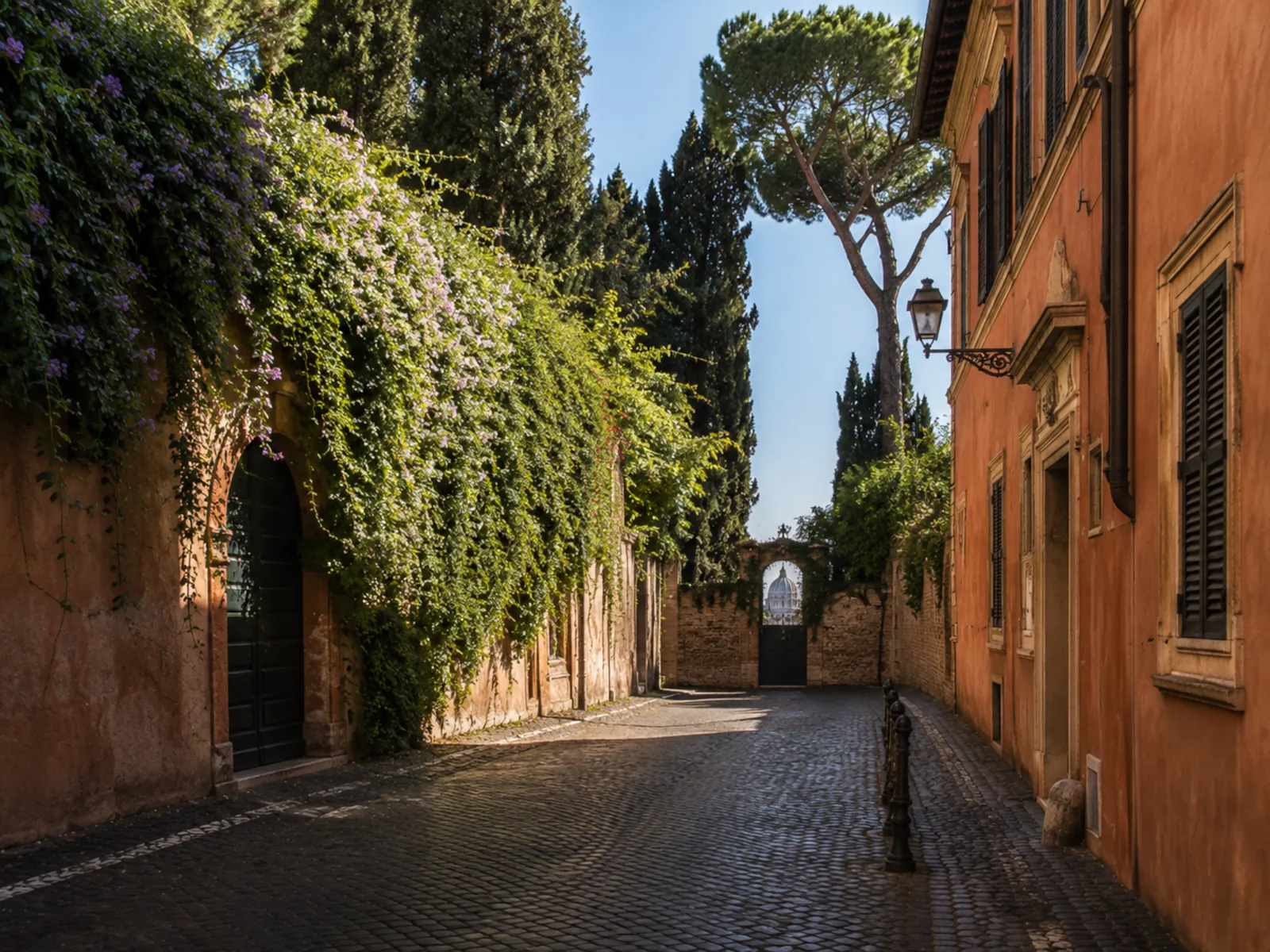
Aventine Hill
In the afternoon, continue towards the Aventine Hill. From Trastevere, the route works well towards the hill, and you can reach the Orange Garden for a late-afternoon viewpoint.
5
Late Afternoon
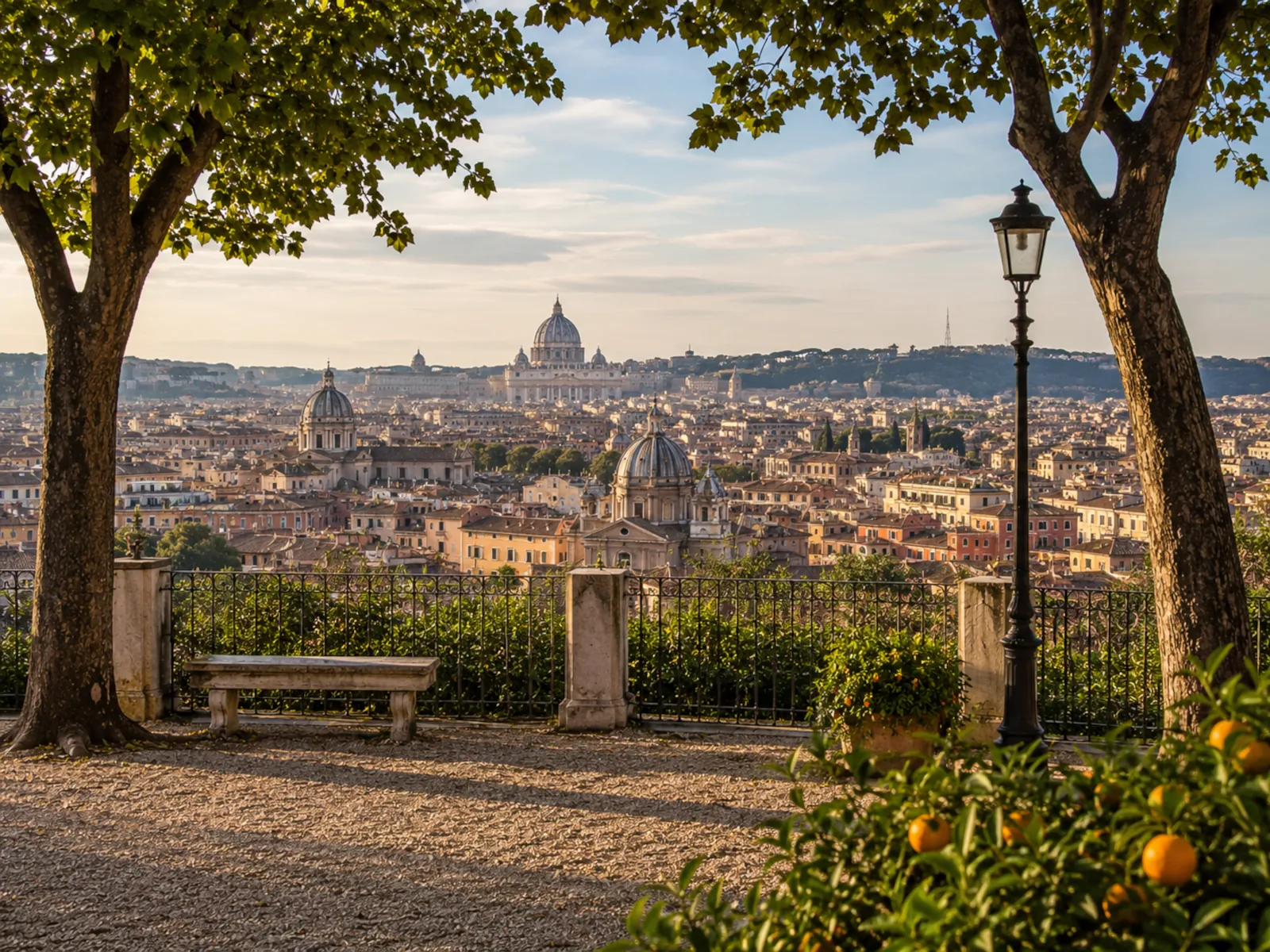
Orange Garden
The Orange Garden is one of the best viewpoints on this route. From the terrace, you look across the Tiber, the rooftops of the historic center and towards St. Peter’s Basilica.
6
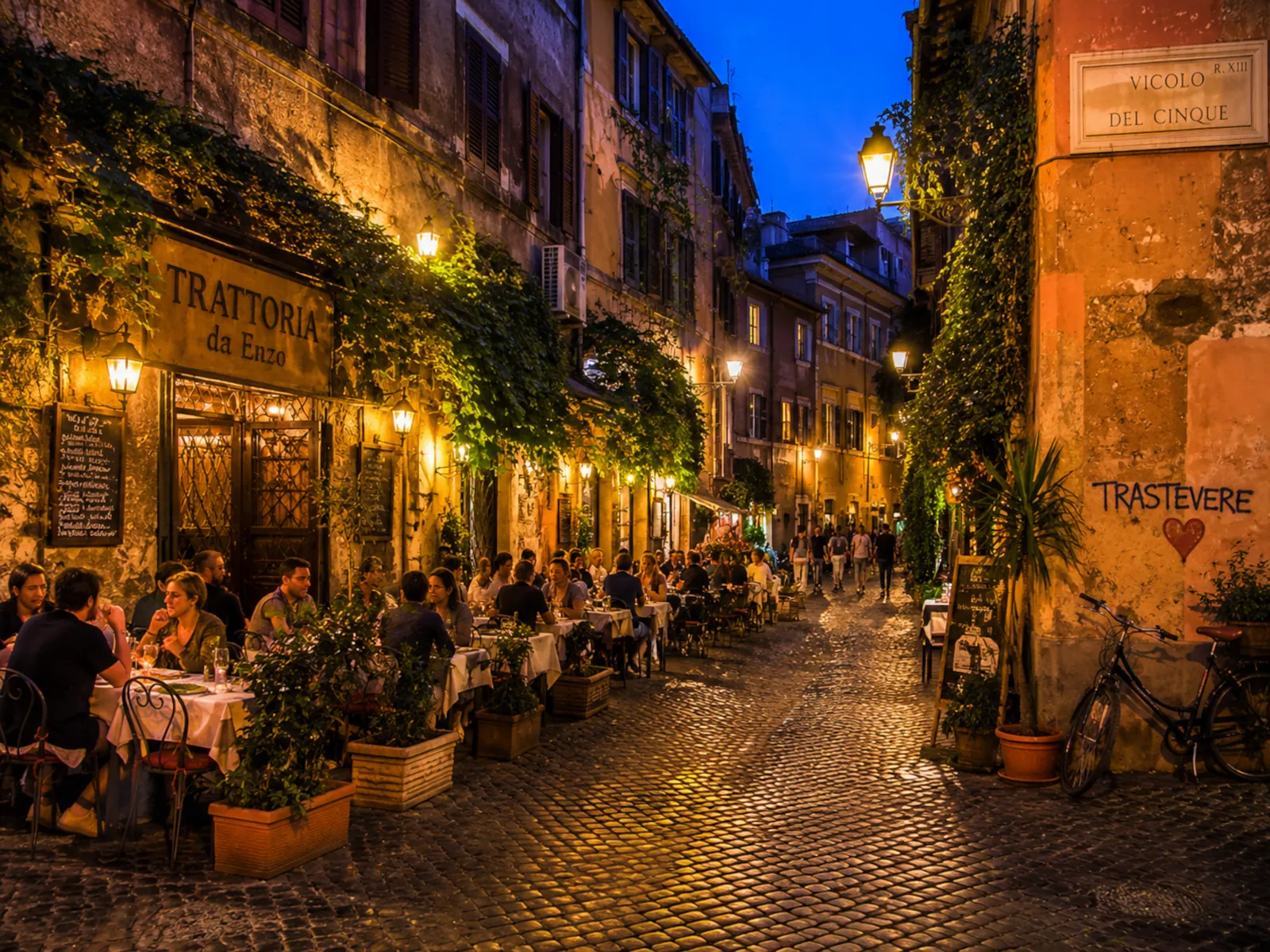
Evening
Dinner in Trastevere
For the evening, Trastevere fits well again. Around Piazza Trilussa, Via della Scala and Vicolo del Cinque, you find many restaurants within a compact area.
MAP & ROUTE
Rome in 3 Days on the Map
The route is designed so that each day covers one connected area of Rome: Ancient Rome and the historic center, the Vatican and northern historic center, plus Trastevere and the Aventine Hill. This helps you see on the map which sights work well together.
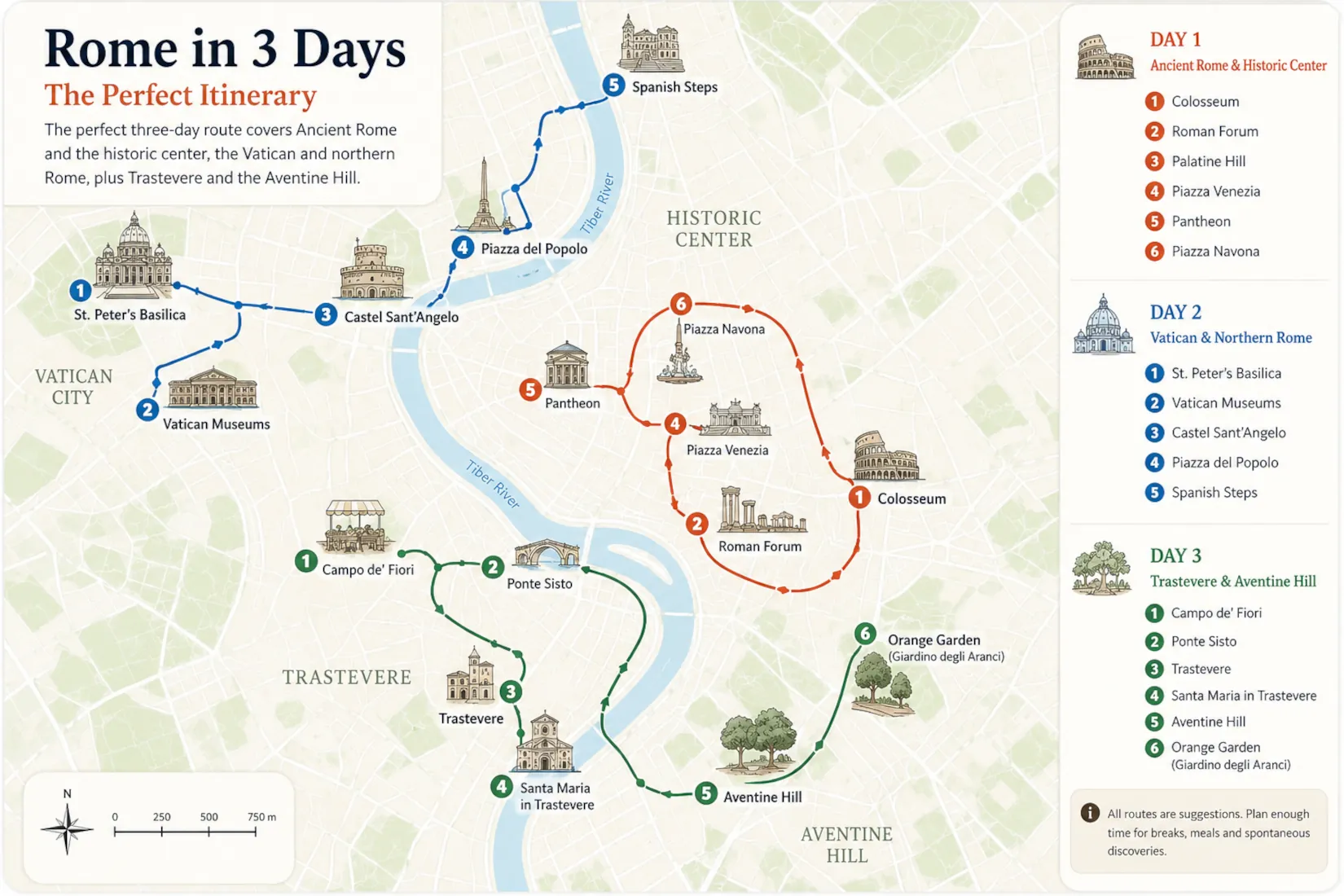
Day 1
Ancient Rome & Historic Center
Colosseum → Roman Forum → Palatine Hill → Piazza Venezia → Pantheon → Piazza Navona
Day 2
Vatican & Northern Historic Center
St. Peter’s Basilica → Vatican Museums → Castel Sant’Angelo → Ponte Sant’Angelo → Piazza del Popolo → Spanish Steps
Day 3
Trastevere & Aventine Hill
Campo de’ Fiori → Ponte Sisto → Trastevere → Santa Maria in Trastevere → Aventine Hill → Orange Garden
PRACTICAL TIPS
Practical Tips for This 3-Day Rome Itinerary
These tips refer directly to the route above: Colosseum, Roman Forum and Palatine Hill on day 1, the Vatican and Castel Sant’Angelo on day 2, and Trastevere with the Aventine Hill on day 3. They help you coordinate tickets, walking routes and the best times of day.

Plan the Colosseum, Forum and Palatine Hill Together
For day 1, book a ticket that connects the Colosseum, Roman Forum and Palatine Hill. The three areas are located directly next to each other; afterwards, you can continue via Piazza Venezia towards the Pantheon with a short transition.
Plan the Vatican as Its Own Focus
Plan St. Peter’s Basilica and the Vatican Museums as the main focus of day 2. Afterwards, Castel Sant’Angelo fits well into the route because you move directly from the Vatican area towards the Tiber and Ponte Sant’Angelo.
Use Piazza del Popolo as a Transition
After Castel Sant’Angelo, Piazza del Popolo works well as a transition towards the Spanish Steps. From there, you can continue along Via del Babuino or add a short viewpoint stop at the Pincio.
Reach Trastevere via Ponte Sisto
For day 3, the route from Campo de’ Fiori across Ponte Sisto is especially practical. You arrive directly in Trastevere and connect Piazza Trilussa with Santa Maria in Trastevere on a short walk.
Add the Aventine Hill in the Afternoon
The Aventine Hill works well after Trastevere in the afternoon. From there, you continue towards the hill and reach the Orange Garden as a late-afternoon viewpoint.
Plan Dinner in Trastevere
For the final evening, the areas around Piazza Trilussa, Via della Scala and Vicolo del Cinque work especially well. You stay close to Trastevere’s evening streets and can end the day without a long return route.
FAQ
Frequently Asked Questions About 3 Days in Rome
Here you’ll find short answers for planning Rome in 3 days: daily structure, tickets, walking routes, hotel location and the best order for this itinerary.
Is 3 days enough for a first visit to Rome?
+
Yes. Three days are enough for a strong first visit to Rome if you plan the city by connected areas. This itinerary puts Ancient Rome and the historic center on day 1, the Vatican and Castel Sant’Angelo on day 2, and Trastevere with the Aventine Hill on day 3.
Should I book the Colosseum and Vatican in advance?
+
Yes. I recommend booking tickets in advance for the Colosseum, Roman Forum, Palatine Hill and Vatican Museums. These sights shape the rhythm of the day, so fixed tickets help you plan the other stops around them.
How much walking should I expect on this Rome itinerary?
+
Depending on your hotel location and small detours, expect around 8 to 12 kilometers per day. Day 1 connects the Colosseum, Roman Forum, Pantheon and Piazza Navona; day 2 links the Vatican, Castel Sant’Angelo and the Spanish Steps.
Where should I stay for this 3-day Rome itinerary?
+
Monti, the area around the Pantheon and Campo de’ Fiori, and Trastevere work especially well. Monti is practical for day 1 near the Colosseum, the Pantheon and Campo de’ Fiori area gives you short walks through the historic center, and Trastevere is strong for evenings.
Can I use this itinerary with a late arrival?
+
Yes. If you arrive later in the day, use the first evening for the Pantheon, Piazza Navona and Trevi Fountain. Then plan the Colosseum, Roman Forum and Palatine Hill for your first full day in Rome.
When is the best time to visit the Vatican during these 3 days?
+
The Vatican works best as the main focus of day 2. Start early with St. Peter’s Basilica or the Vatican Museums, then continue to Castel Sant’Angelo and Ponte Sant’Angelo. This keeps the day spatially connected.
Is Trastevere better during the day or in the evening?
+
For this route, Trastevere works well both during the day and in the evening: during the day with Santa Maria in Trastevere and the streets around Piazza Trilussa, in the evening with restaurants around Via della Scala and Vicolo del Cinque.
Do I need public transport for this route?
+
You can reach many stops on this itinerary on foot. For longer distances, such as from your hotel to the Vatican or back after dinner in Trastevere, metro, bus or taxi are useful. At the end of day 2, Spagna metro station is especially practical.
PLAN ROME FURTHER
Plan Your 3 Days in Rome with the Right Hotel Location
For this itinerary, Monti, the area around the Pantheon and Campo de’ Fiori, and Trastevere are especially practical. The Colosseum, historic center and many evening areas are easy to reach from there; plan the Vatican by metro, bus or taxi depending on your hotel location.
Route at a Glance
- 3 days
- about 8–12 km per day
- Historic center, Colosseum and Trastevere work well on foot
- Book Colosseum & Vatican tickets in advance
Best Preparation
- Book Colosseum & Roman Forum tickets early
- Plan the Vatican for the morning or early afternoon
- Pack comfortable shoes for long walks between the historic center, Tiber and metro
- Build breaks between the Colosseum, Vatican and historic center

Find Hotels in Rome
For this itinerary, I recommend staying in Monti, around the Pantheon, near Campo de’ Fiori or in Trastevere. Monti works well for day 1 near the Colosseum, the Pantheon and Campo de’ Fiori area gives you short walks through the historic center, and Trastevere is especially practical for evenings.
Where to Stay in Rome? →